


Explore the impact of AI-driven SEO in 2026. Learn how machine learning automates technical audits, predicts keyword trends, and transforms organic digital marketing strategies.
The Search Engine Landscape Has Changed Forever
Remember the old days of Search Engine Optimization? Just a few years ago, ranking on the first page of Google felt like a predictable, albeit tedious, game. You would find a high-volume keyword, sprinkle it throughout your headings, write a 2,000-word article, build a few backlinks, and wait for the traffic to roll in. Fast forward to 2026, and that playbook is entirely obsolete. We are no longer optimizing for simple algorithms; we are optimizing for highly sophisticated, continuously learning Artificial Intelligence.
The integration of Machine Learning and Data Science into search engine core updates has completely rewritten the rules of organic brand growth. Today, search engines understand context, user intent, and conversational nuances better than ever before. For digital agencies and brand managers, this means that surface-level tactics are dead. Welcome to the era of AI-Driven SEO, where predictive analytics, semantic relevance, and automated technical infrastructures separate the industry leaders from the invisible pages buried on page ten.

From Keywords to Context: The NLP Revolution
The biggest shift we've seen is the transition from lexical search (matching exact words) to semantic search (understanding the meaning behind the words). Thanks to advanced Natural Language Processing (NLP) models, search engines now read content almost like a human expert would. They don't just look for the phrase "best digital agency"; they look for topical authority, comprehensive answers, and logical site structure.
This means content creation has to evolve. We can't just write for bots anymore. AI now evaluates the depth of your expertise. It analyzes the entities you mention, the relationships between those entities, and how well you satisfy the searcher's underlying problem. If your content doesn't provide genuine, unique value, modern AI algorithms will simply filter it out as noise.
6 Ways Machine Learning is Transforming Digital Brand Growth
Just as we saw how AI is revolutionizing full-stack web development, the tools and workflows used by SEO professionals have undergone a massive upgrade. The manual, spreadsheet-heavy tasks of the past are being replaced by dynamic, intelligent agents. Let's break down the core areas where AI is making the biggest impact.
1. Predictive Keyword Analytics and Intent Mapping
Traditional keyword research relied on historical data. You looked at what people searched for last month to decide what to write today. In 2026, AI tools utilize predictive data science models to forecast search trends before they peak. By analyzing social media chatter, news cycles, and emerging web platforms, AI can tell you what your target audience will be searching for next week. Furthermore, AI flawlessly maps these keywords to user intent—categorizing them as informational, navigational, or transactional—allowing marketers to tailor their landing pages perfectly to the buyer's journey.
2. Automating the Technical SEO Nightmare
Technical SEO is the backbone of any digital platform. If search engine crawlers can't render your Next.js application, your content doesn't exist. Managing sitemap generation, configuring complex robots.txt files, and auditing massive sites for broken links used to take weeks. Today, AI-powered crawlers work in real-time.
These intelligent systems act as an ever-watchful technical checklist. They automatically identify rendering issues in JavaScript-heavy sites, suggest dynamic caching solutions (like Redis integration) to reduce server response times, and even auto-generate perfectly structured Schema Markup (JSON-LD) for every new product or article published. This automation ensures that the technical foundation of a website is always pristine, allowing founders to focus on broader brand strategy.
3. Hyper-Personalized Content Generation at Scale
Generative AI has evolved past writing generic blog posts. Today, digital agencies use fine-tuned language models to create hyper-personalized content tailored to specific audience segments. By analyzing user behavior data, AI can dynamically alter the content of a page based on who is reading it. It ensures the tone, the examples used, and the formatting perfectly align with the reader's preferences. It’s important to note, however, that Google's core guidelines still mandate that content must be "helpful, reliable, and people-first." AI is a co-pilot in content creation, not a substitute for human insight.
4. Masterful Internal Linking and Site Architecture
A well-structured site architecture distributes "link equity" efficiently and helps AI crawlers understand topical clusters. Manually finding internal linking opportunities across a blog with thousands of posts is impossible. AI plugins now scan your entire database in seconds, identifying semantic relationships between articles and automatically suggesting contextual internal links. This creates a deeply interconnected web of knowledge that search engines reward with higher topical authority scores.
5. Off-Page SEO: Smart Link Building and Outreach
Link building remains a crucial ranking factor, but the "spray and pray" email outreach methods are dead. AI has revolutionized off-page strategies. Intelligent agents now analyze the backlink profiles of competitors, identify high-authority domains, and evaluate the contextual relevance of potential link partners. Moreover, AI tools craft highly personalized, context-aware outreach emails that actually get responses. They analyze the target editor's recent publications and tailor the pitch to their specific interests, dramatically increasing placement rates for digital PR campaigns.
6. User Experience (UX) and Core Web Vitals as Ranking Signals
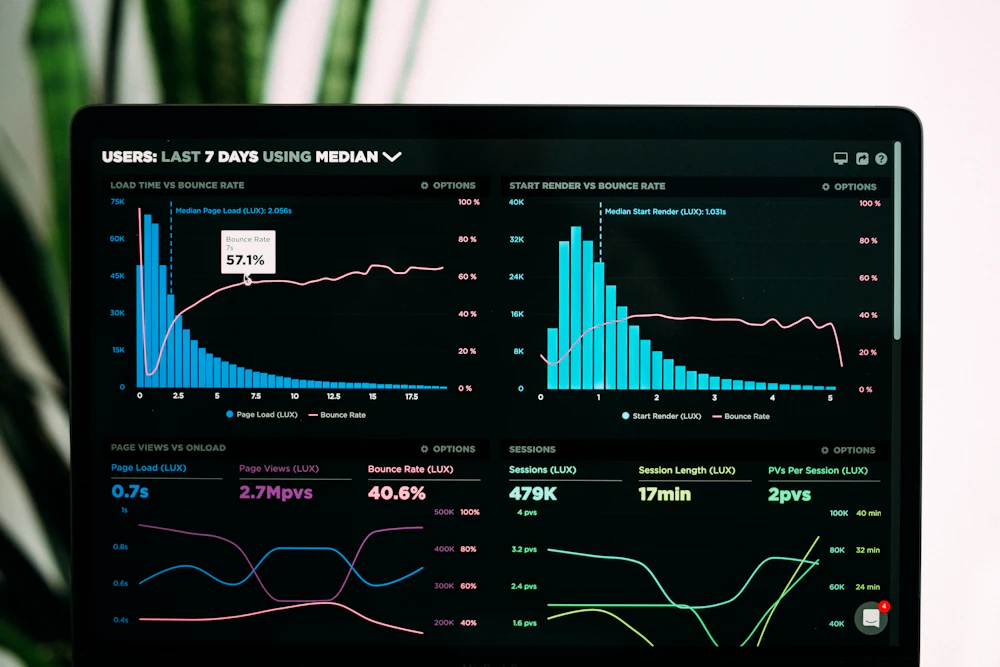
Search engines now heavily factor User Experience into their rankings. Core Web Vitals—metrics that measure loading speed, interactivity, and visual stability—are paramount. AI tools simulate thousands of user interactions to identify micro-frictions in a site's design. Interestingly, design aesthetics also play a role in user retention. Sites utilizing modern, high-contrast aesthetics—like hacker-themed dark modes with glassmorphism and deep teal or terracotta accents—often see lower bounce rates and higher time-on-page metrics when targeted at technical audiences. AI heatmapping tools analyze these aesthetic choices, proving that beautiful, accessible UI directly translates to better SEO performance.
Navigating the Search Generative Experience (SGE)
We cannot discuss SEO in 2026 without addressing AI-generated answers directly in the search results. Search Generative Experience (SGE) means that for many informational queries, users never need to click a link; the AI summarizes the answer right at the top of the page.
Does this mean organic traffic is dead? No. It means the strategy must shift. To capture visibility in an SGE world, content must be highly opinionated, feature original research, and offer unique, first-hand experiences. AI cannot generate a unique human perspective. If you are running an educational platform or a digital intelligence agency, your content must focus on deep analysis, case studies, and expert insights that an AI summary simply cannot replicate. You want your brand to be cited as the source for the AI's generated answer.
The Ethics of AI in SEO
With great power comes the temptation to manipulate. The rise of AI in SEO has led to an explosion of programmatic spam—websites generating thousands of low-quality pages daily to game the algorithms. Search engines are fighting back aggressively, deploying their own AI models (like SpamBrain) to identify and de-index AI-generated fluff.
For legitimate professionals, the ethical path is clear. AI should be used to enhance the user experience, optimize technical delivery, and streamline research. It should never be used to deceive users or manipulate search rankings with fake information. Transparency, accuracy, and brand authenticity are the ultimate shields against algorithm penalties.
Future-Proofing Your Digital Agency
As we look toward the future, the integration of Web 3.0 technologies and decentralized networks will likely introduce entirely new paradigms for search and discoverability. For digital agencies and startup founders aiming to build a lasting presence, adaptability is the ultimate skill.
The most successful SEO professionals today are hybrid technologists. They understand how a Mongoose database schema impacts page load speed, they know how to utilize Data Science libraries for predictive keyword modeling, and they grasp the psychology behind consumer search intent. They don't just chase algorithms; they build robust, lightning-fast, and highly informative digital ecosystems that users genuinely love.
Conclusion
Artificial Intelligence hasn't killed SEO; it has forced it to mature. The days of cheap tricks and keyword stuffing are firmly in the past, replaced by a sophisticated discipline that requires technical mastery, psychological insight, and high-quality content production. By embracing AI tools to automate technical audits, predict market trends, and personalize user experiences, digital brand builders can unlock unprecedented levels of organic growth. The algorithm is smarter than ever, which means our strategies must be, too. The future belongs to those who partner with AI to deliver the best possible answers to the world's questions.
FAQs
1. Will AI eventually replace SEO professionals?
No. AI replaces manual tasks like data entry, basic site audits, and initial keyword sorting. It empowers SEO professionals to act as high-level strategists. Human intuition, creative brand storytelling, and strategic business alignment are things AI cannot replicate.
2. How does AI affect technical SEO audits?
AI drastically reduces the time needed for technical audits. Intelligent crawlers can instantly identify complex rendering issues, suggest optimal robots.txt configurations, automatically generate dynamic sitemaps, and flag server response bottlenecks, acting as a real-time technical checklist.
3. Can Google penalize my site for using AI-generated content?
Google's official stance focuses on the quality of the content, not how it was produced. However, if you use AI to mass-produce low-quality, unedited, scraped content specifically to manipulate rankings, you will be penalized for spam. High-quality, expert-reviewed AI-assisted content is perfectly fine.
4. What is Semantic Search and why does it matter?
Semantic search is an AI-driven process where search engines focus on the contextual meaning of a query rather than just matching exact keywords. It matters because content must now comprehensively cover a topic and build "topical authority" rather than just repeating a single target phrase.
5. How can I adapt my content strategy for SGE (Search Generative Experience)?
To thrive in an SGE environment, focus on zero-click optimization by becoming the primary source. Publish original research, strong opinion pieces, deep-dive case studies, and first-hand experiences. Ensure your content provides unique value that a generic AI summary cannot adequately capture.
Amar Kumar
May 2, 2026